
How Nervous System Recovery Actually Works
Modern stress is often a nervous system issue, not a willpower issue.
Without this baseline, even rest doesn’t feel restorative.

Activation vs Recovery
Your nervous system is always shifting between two broad modes. Modern life makes activation constant - recovery becomes inconsistent.
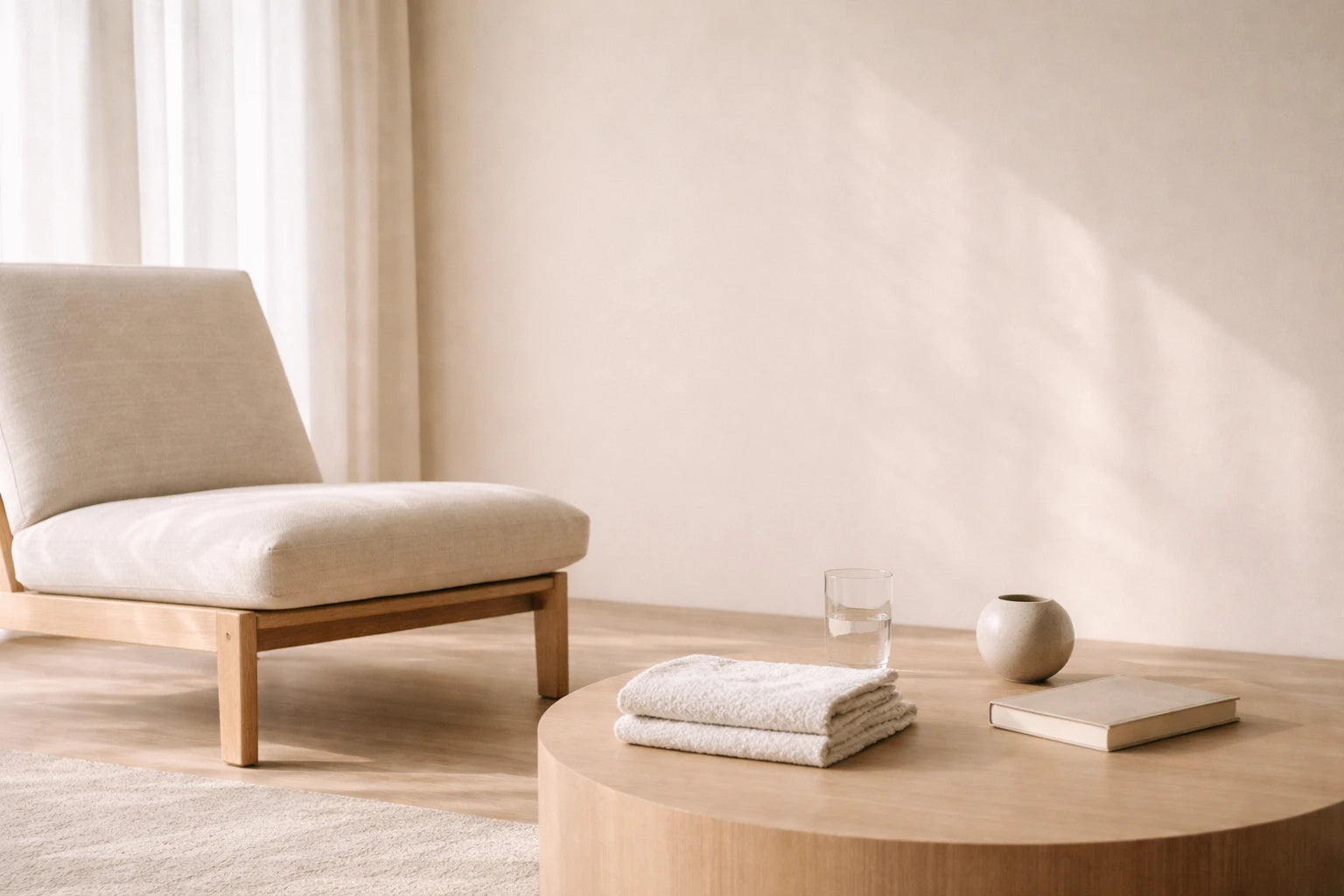
Quanti tools are designed to support recovery physiology, not override it. They support nervous system regulation by creating the right conditions for the body to settle when used with intention and consistency.
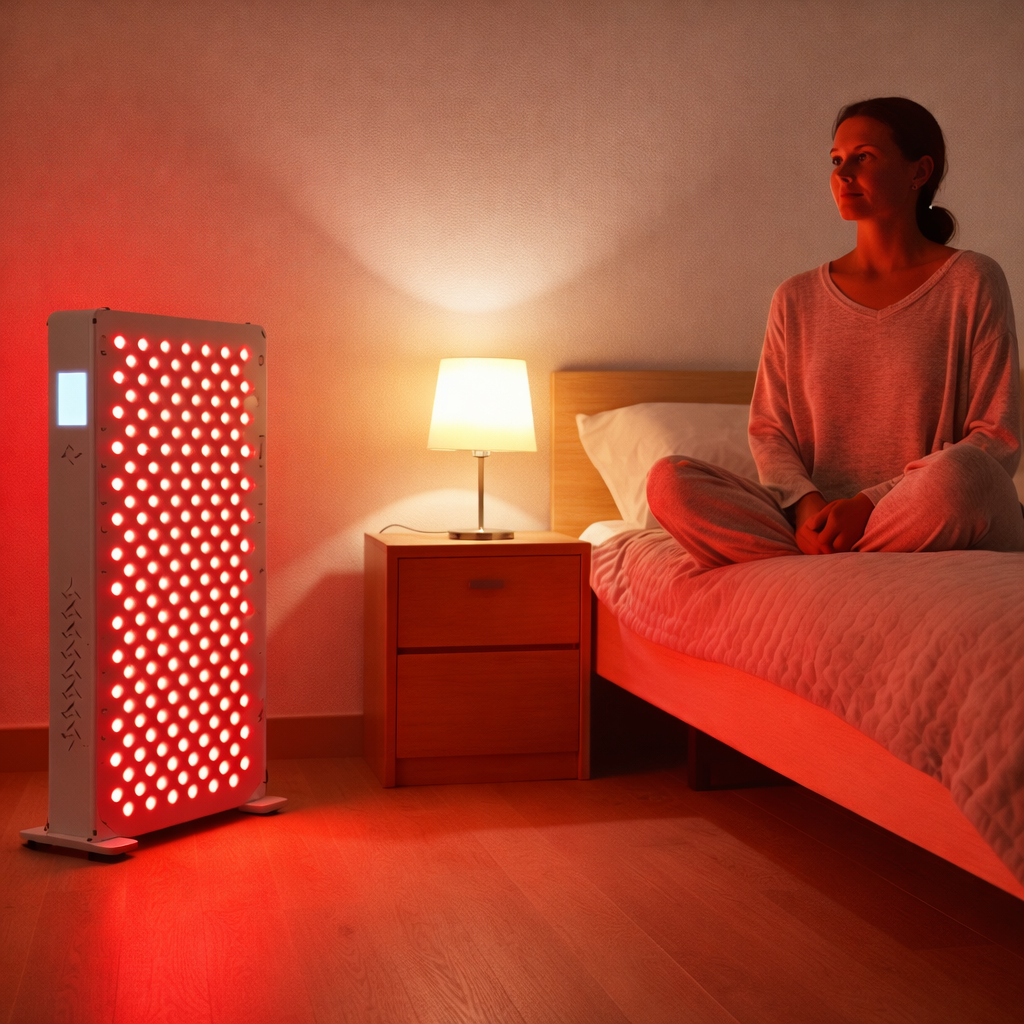
Red and near-infrared light have been studied for their interaction with cellular energy systems involved in repair, regulation and recovery.
By supporting mitochondrial activity, circulation and local recovery processes, light exposure may help reduce persistent physical stress signals that contribute to nervous system over-activation.
This does not force relaxation. It supports the biological conditions that make recovery states easier to access.
“For reducing background tension during the day”
Calm supports down-regulation — helping reduce stimulation and bring the nervous system back toward baseline.
Best for:
When to use: daytime or early evening.
Outcome: grounded, settled, clearer.
"For supporting the transition into rest”
Sleep supports the nervous system’s transition into rest so recovery can happen overnight.
Best for:
When to use: 30–60 minutes before bed.
Outcome: smoother wind-down, better consistency.
“For restoring capacity after effort”
Recovery supports restoration after physical or mental load, helping the body return to baseline once the work is done.
Best for:
When to use: after effort or at the end of the day.
Outcome: restored, steady, back to baseline.
Red and near-infrared light have been widely studied for their interaction with cellular energy systems involved in recovery and regulation. Research suggests these wavelengths may support mitochondrial function, helping cells produce usable energy for repair and normal physiological processes.
Photobiomodulation has also been investigated for its role in supporting circulation, regulating inflammatory signalling and influencing recovery pathways linked to physical stress load. These biological responses may contribute to improved resilience following periods of sustained demand on the body.
Emerging research is exploring how light-based interventions may influence nervous system related outcomes, including autonomic balance and neurological recovery processes. While findings continue to evolve, interest in non-invasive recovery modalities has grown across clinical and performance settings.
Hamblin MR. Photobiomodulation and the brain. AIMS Biophysics. 2017.
Salehpour F et al. Brain photobiomodulation therapy: mechanisms and applications. Frontiers in Neuroscience.
Nagai K et al. Effects of low-level laser therapy on autonomic nervous system activity. Lasers in Medical Science.
Hamblin MR. Photobiomodulation for neuroinflammation and neurological recovery. Journal of Neuroscience Research.
Hong G et al. Optical neuromodulation: advances in light-based neural regulation research. Nature Biomedical Engineering.
If you’re looking for an instant fix, this isn’t it. If you’re looking for steadier days and better nights, this is how it starts.
Most people notice the biggest change when routines become consistent and predictable.
If you’re experiencing severe or persistent symptoms, consider speaking with a qualified health professional.
Start with the state that feels hardest right now — Calm, Sleep, or Recovery. When you support the most challenged area first, the system becomes easier to regulate overall.
As your baseline stabilises, the other stages tend to improve naturally. Keep it simple: choose one path, build